“Medical-grade plastic” is one of the most misused phrases in component sourcing. It gets attached to a resin as if the label alone guarantees a part is fit for a medical device. It does not. A polymer can be perfectly suitable for a medical application and still produce a non-compliant component if the process, documentation, and regulatory pathway behind it are wrong. For teams sourcing molded parts for medical products, understanding what the terminology actually covers — and what it does not — prevents expensive and sometimes serious mistakes.
This article separates the layers that often get collapsed into one: material properties, manufacturing quality systems, and product-level regulatory requirements. They are related, but they are not interchangeable, and treating them as one is where sourcing errors begin.
What “medical-grade” actually describes
When a material supplier calls a resin medical-grade, they generally mean the polymer has been formulated and documented for use in medical contexts — often with tested biocompatibility data, controlled formulation, and a commitment not to change the formula without notice. That is meaningful, but it is a statement about the raw material, not about your finished part.
A finished medical component's suitability depends on the material, the specific application, how the part contacts the body (if at all), the sterilization method, and the regulatory route for the final device. The same resin can be entirely appropriate in one device and inappropriate in another.
Why material selection carries weight
Material choice in medical parts influences biocompatibility, chemical and sterilization resistance, dimensional stability, and mechanical performance. Common polymers in medical applications include polypropylene, polycarbonate, and specific engineering grades selected for clarity, strength, or repeated sterilization tolerance. The decision has to account for how the part will be cleaned, sterilized, and used over its service life — not only whether the resin carries a medical-grade designation.
Biocompatibility
Biocompatibility asks whether a material provokes an unacceptable biological response for its intended contact. It is commonly evaluated against the ISO 10993 family of standards, which structures testing according to the nature and duration of body contact. Some materials also carry USP Class VI designations from earlier biological reactivity testing. Neither is a blanket pass: the relevant evaluation depends on whether and how the finished device contacts the body, and for how long. Material data is a starting input to that assessment, not a substitute for it.
Sterilization considerations
Sterilization method shapes material selection because different methods stress polymers differently. Autoclave (steam) exposes parts to heat and moisture; ethylene oxide (EtO) involves chemical exposure; gamma and e-beam irradiation can alter polymer properties and color over time. A material that survives one method may degrade under another. Choosing the sterilization route early, and validating the material against it, avoids discovering incompatibility after tooling exists.
Dimensional stability and process control
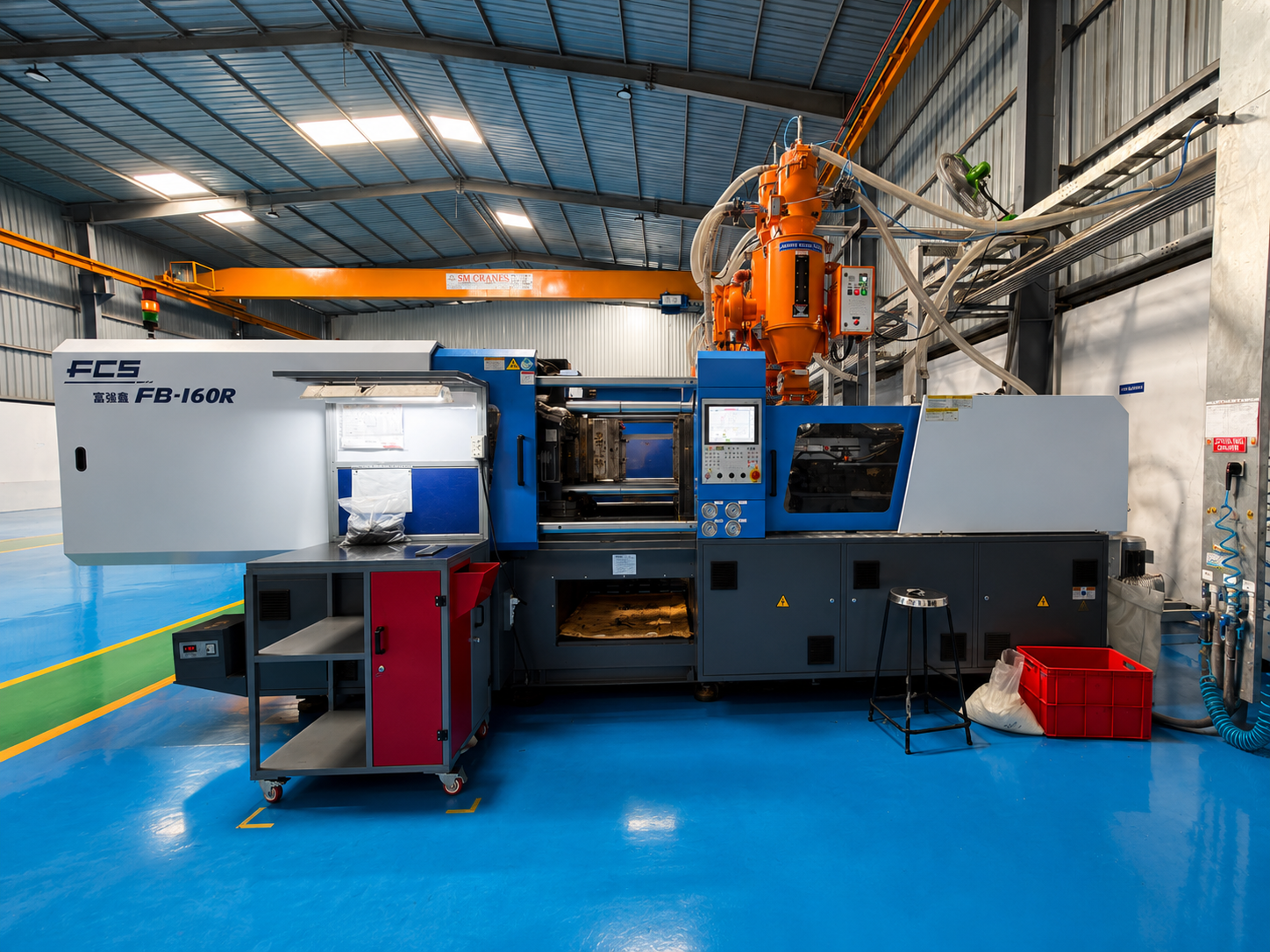
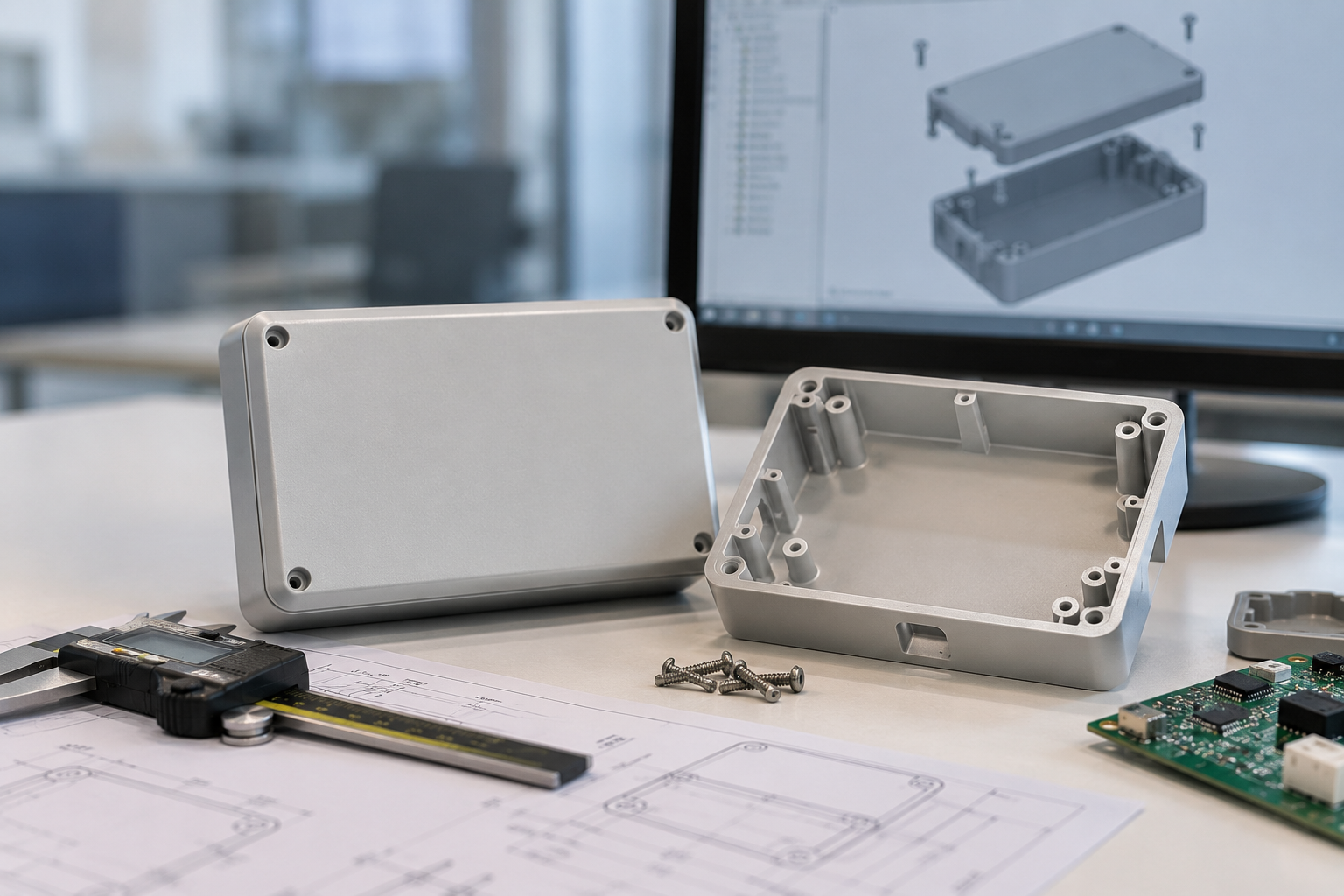
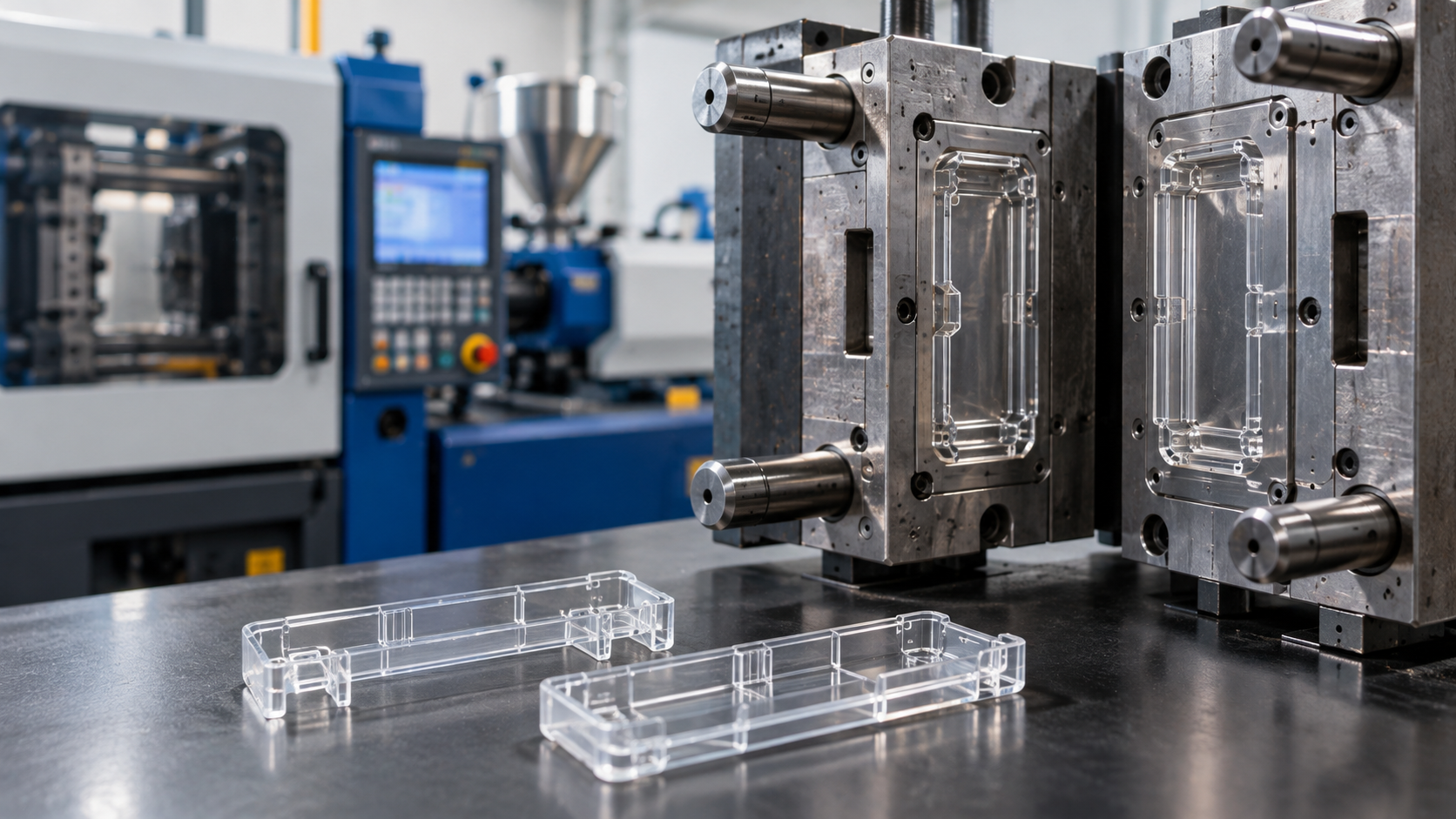
Many medical components involve tight fits, sealing surfaces, or mating with other parts. Consistent dimensions depend on stable materials and a controlled process. Semi-crystalline and filled materials shrink differently, and process variation shows up directly in dimensional variation. Documented process control — validated parameters, dimensional inspection, and capability tracking — is what keeps parts inside specification across production.
Traceability and documentation
This is where medical work separates itself from general molding. The ability to trace a component back through its process to a specific material lot, with dimensional and process records attached, is fundamental to how medical products are managed and investigated. Documentation is not paperwork for its own sake; it is the mechanism that makes a quality claim verifiable and a field investigation possible.
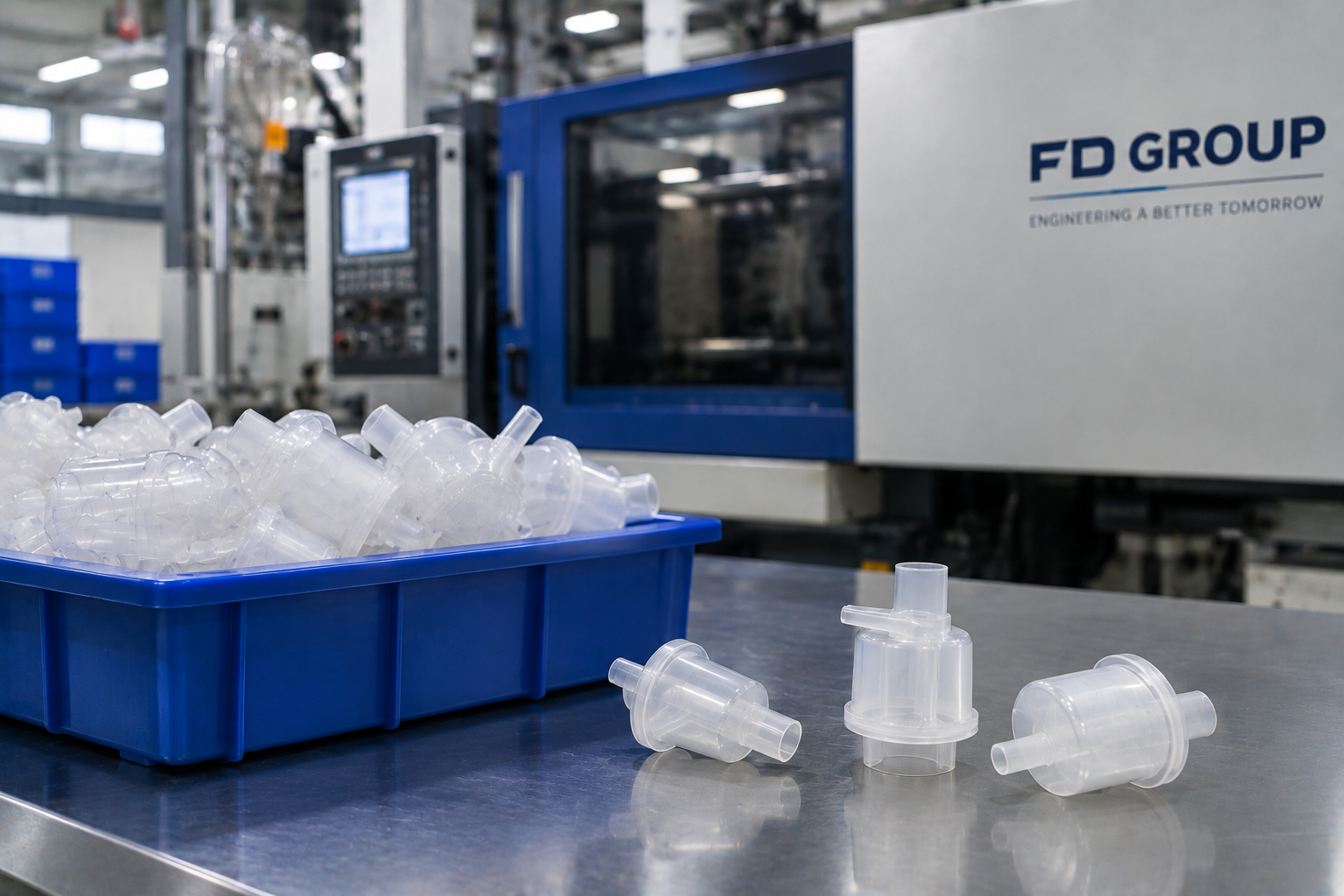
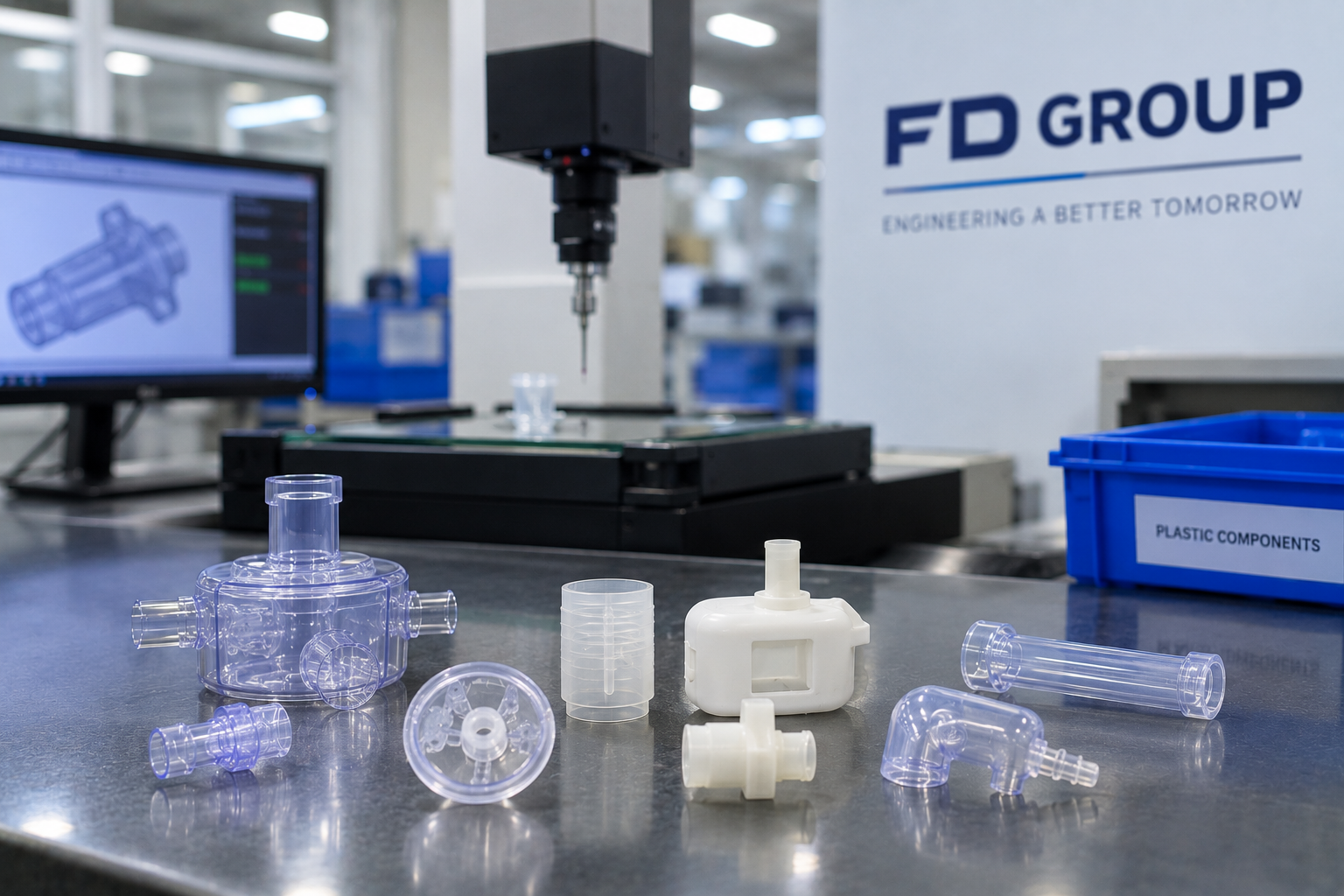
FD Group operates an ISO 9001:2015 quality system with material traceability from raw material to finished component and CMM dimensional inspection with sample reporting. That discipline around process control and documentation is exactly the mindset medical work demands.
The certifications people conflate — and shouldn't
Several distinct things get grouped under “medical certification.” Keeping them separate is what makes a sourcing conversation honest:
- Material standards (e.g., ISO 10993 evaluation, USP Class VI) describe the raw material's tested properties.
- Manufacturing quality systems — general quality management follows ISO 9001; medical device manufacturing quality management follows ISO 13485. These describe how a company controls its processes, not whether a specific part is approved.
- Product-level regulatory requirements depend on the device, its classification, and its market — for example, oversight by the FDA in the United States or requirements under the EU Medical Device Regulation. These attach to the finished device and its manufacturer's regulatory pathway, not to a molded component in isolation.
A component made from a medical-grade resin, on well-controlled equipment, is still not a “medically certified” part on its own. Certification and compliance live at the device and regulatory level and depend on the final application and geography.
A responsible position for buyers
If you are sourcing molded parts for a medical product, define the requirements from the device down: intended use, contact type and duration, sterilization method, regulatory market, and the standards your device must meet. Then match material, process control, and documentation to those requirements. Ask a molding partner what quality system they operate, what traceability and inspection they provide, and how they document process control — and be cautious of anyone who claims a resin label alone makes a part compliant.
FD Group perspective
FD Group's value in this space is not a regulatory shortcut — it is manufacturing discipline. An ISO 9001:2015 system, material traceability, controlled in-house assembly separated from the production floor, and documented dimensional inspection give medical product teams a partner that understands why process control and records matter. Where a project's regulatory requirements extend beyond that, they should be defined by the device manufacturer and its regulatory pathway, and matched to a supplier accordingly.
Developing a component for a medical product? Talk to FD Group's engineers about material selection, process control, and traceability, and define the documentation your device pathway requires — contact us at www.fdgroup.co.in.