Most buyers only find out their injection molding partner was the wrong choice after the first production run goes sideways. A quote looked competitive, the sales engineer sounded confident, the sample part looked fine on the table, and six months later a short-shot defect is holding up an assembly line while someone argues over who owns the mold.
At FD Group, we have spent years on both sides of that conversation, and we can tell you with some confidence that nearly every one of those situations was avoidable. Not with a magic checklist, but with the kind of disciplined pre-contract evaluation that most buyers skip because the timeline feels tight.
This article is a working guide to doing that evaluation properly. It is written for product managers, procurement leads, and engineering heads who are about to commit a tool and a program to a molding partner and want to be sure they are not buying trouble.
Start with why evaluation matters more than the quote
Injection molding looks deceptively simple at the quoting stage. Two suppliers quote the same part, one is twenty percent cheaper, so the cheaper one gets the business. That logic breaks down the moment you factor in tooling delays, rejected lots, mold maintenance disputes, and the hidden cost of a supplier who cannot keep up with your ramp.
Here is what a weak partner actually costs you in practice:
- Four to eight extra weeks of tooling corrections because the DFM review was superficial
- Scrap rates that run two to three times the quoted figure because process windows were never properly validated
- Supply disruption when your supplier cannot source the exact resin grade you specified and quietly substitutes a near-equivalent
- Legal and commercial friction when it turns out you do not actually own the mold you paid for
The point of a proper evaluation is to surface these risks before they become invoices.
Verify the quality system, not just the certificate on the wall
Almost every serious molder will tell you they are ISO 9001 certified. Many will have IATF 16949 if they serve the automotive sector, and medical molders will show you ISO 13485. These matter, but a framed certificate is not the same as a working quality system.
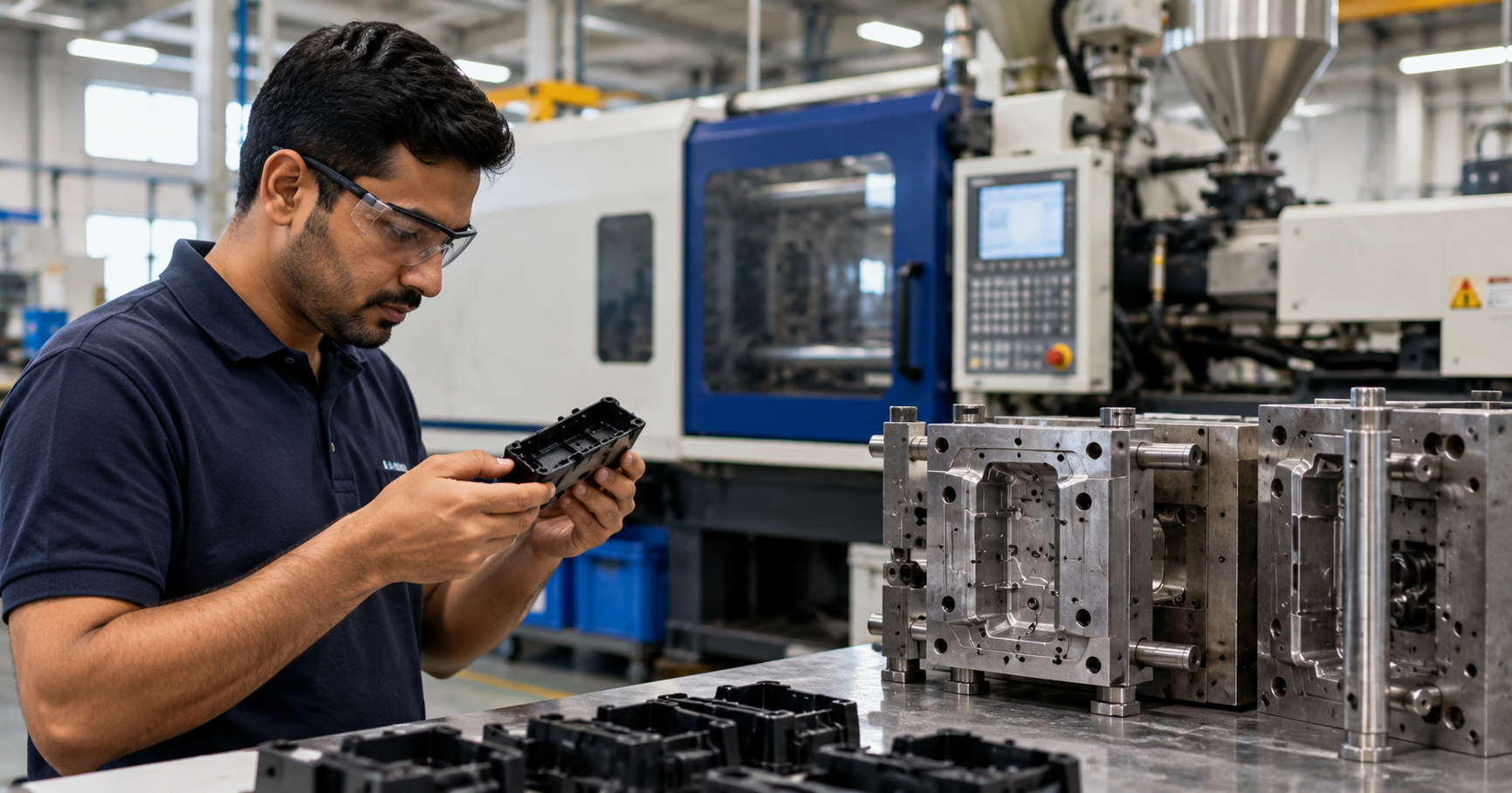
What you want to see during evaluation is evidence of the system in use. Ask to see:
- The last three internal audit reports and their closure records
- A sample PPAP (Production Part Approval Process) package for a recent program
- The non-conformance log for the last twelve months, with closure dates
- The calibration schedule for inspection equipment and the actual stickers on gauges
- Operator training records for the production lines you will be running on
You can read more about how IATF 16949 shapes supplier expectations on the IATF Global Oversight site. If a supplier hedges or offers only general reassurances when you ask for these documents, treat that as a signal.
Look hard at tooling capability and mold ownership
Tooling is usually the most expensive single decision in your program, and it is where disputes most often start. During evaluation, you want to understand three things: can the supplier design the mold properly, can they maintain it over its life, and who actually owns it when the business relationship ends?
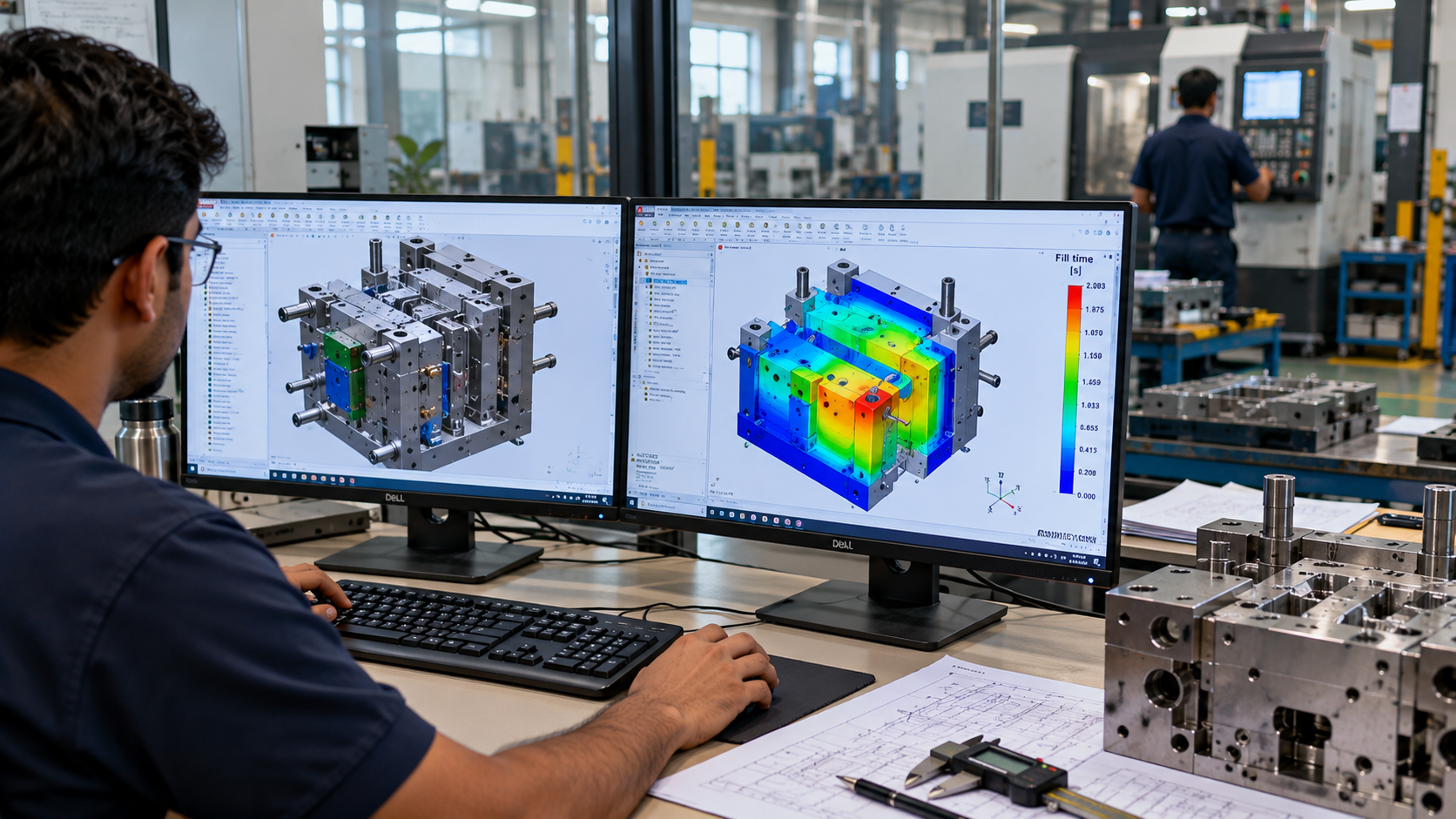
Ask the supplier to walk you through their decision-making on gate location, runner strategy, cooling layout, venting, draft angles, ejection, steel selection, and expected mold life. A capable toolroom will have strong, specific opinions on each of these. A weak one will give you generalities.
On ownership, insist on written clarity before signing. The contract should state who owns the mold, where it is stored, who pays for maintenance, how shot counts are tracked, and what happens to the tool if the relationship ends. Industry guidance from publications like Plastics Technology consistently flags unclear tooling ownership as one of the most common sources of supplier disputes.
Press capacity should match your part, not just your volume
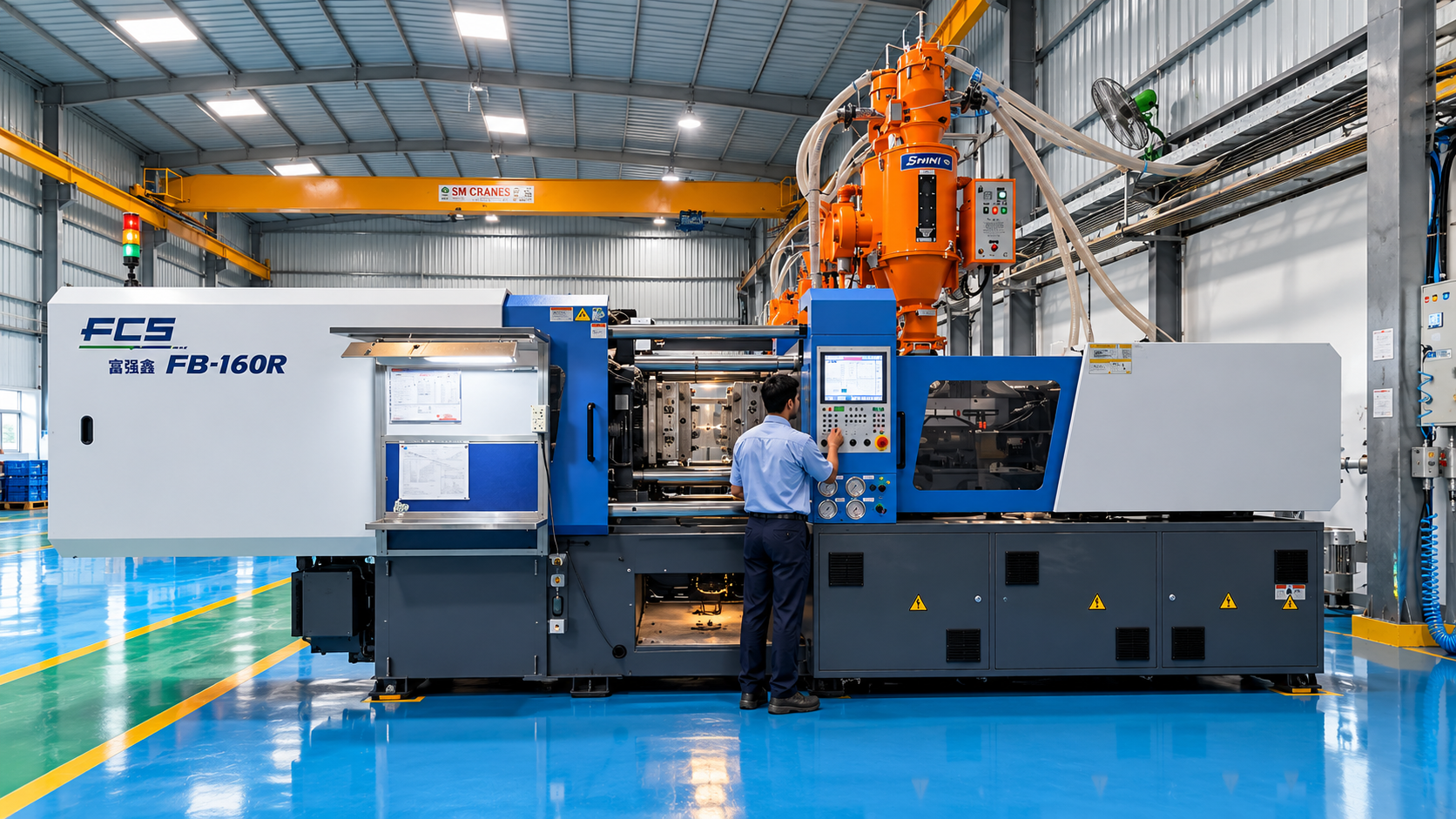
Clamping tonnage, shot size, and tie-bar spacing all have to match the part you are running. A molder may have fifty presses and still not have the right one for your tool.
During evaluation, give the supplier your part geometry and projected annual volume, and ask them to tell you specifically which press they would run it on, what the expected cycle time is, and what the realistic utilization of that press looks like over a year. A supplier running at ninety-plus percent utilization on the press you need is a scheduling risk, even if they say otherwise.
Check material handling and traceability
Resin matters more than most buyers appreciate. The same nominal grade from two different suppliers can behave differently, and regrind usage, drying discipline, and lot traceability all affect part quality.
Ask your prospective partner:
- Who are your approved resin distributors, and do you buy direct from the resin manufacturer?
- How do you verify incoming resin against the purchase order?
- What is your policy on regrind, and how is it tracked per lot?
- How are moisture-sensitive materials dried, and is the drying process logged?
- Can you trace a finished part back to a specific resin lot and shift?
A supplier who can answer each of these in detail is operating a controlled process. One who cannot is operating on habit.
Walk the delivery and communication model
Technical capability is only half the picture. The other half is whether your partner can communicate clearly, respond on your clock, and deliver on time without constant chasing. This is especially important when buyer and supplier sit in different time zones.
Before signing, ask for the following:
- Named program manager and clear escalation path
- On-time delivery performance over the last twelve months, with raw data
- Standard reporting cadence during tooling, sampling, and ramp
- Average response time to RFQs and engineering change requests
- A reference call with at least two current customers of similar scale
If the supplier balks at putting you in touch with references, that is itself an answer.
Financial stability is a quality issue
Molders operate on thin working-capital margins, and a financially stressed supplier is a quality and delivery risk even if their engineering is good. You do not need audited financials to form a view. Pay attention to:
- Payment terms with their resin suppliers
- Visible investment in machines and infrastructure over the last two to three years
- Employee retention, especially in the toolroom and quality functions
- Order book depth and customer concentration
Public resources like the Ministry of Corporate Affairs MCA portal let you check basic filings for Indian suppliers, which is a reasonable first screen.
IP protection and confidentiality
Many programs involve proprietary geometry, proprietary materials, or proprietary assembly steps. Before you share CAD, mold flow results, or process parameters, make sure the NDA is signed, the scope is well-defined, and the supplier can demonstrate how they segment customer data and tooling in their shop.
The pre-contract checklist, in short form
If you take nothing else from this article, run this short list before you sign:
- Quality system evidence, not just certificates
- Tooling design opinions and clear mold ownership language
- Named press and realistic utilization for your part
- Documented resin sourcing, drying, and traceability
- Named program manager, OTD data, and live reference calls
- Reasonable financial and infrastructure signals
- Signed NDA and clear IP boundaries
None of this is exotic. It is simply the discipline of treating a molding supplier the way you would treat any other long-term strategic partner.
Where FD Group fits in
We built our own evaluation and onboarding process around the same checks we recommend here, and we are happy to walk any serious buyer through our quality, tooling, and traceability systems in detail. If you are shortlisting partners and want a reference point to benchmark against, get in touch and we will set up a working session.
Choosing a molding partner is a multi-year decision. Spend the two weeks it takes to do it properly, and the next five years will be noticeably quieter.